Expert Diabetic Foot Care at 14Steps Diabetic Foot Center
As diabetes cases rise across India, the need for specialized foot care has never been greater. 14Steps Diabetic Foot Center brings together skilled specialists, advanced technology, and proven treatment protocols to deliver the best outcomes for every patient.
At our centers, you receive comprehensive care for diabetic foot ulcers, wound infections, and complex limb conditions - all under one roof. Our mission is simple: to eliminate discomfort, prevent amputation, and restore your quality of life.
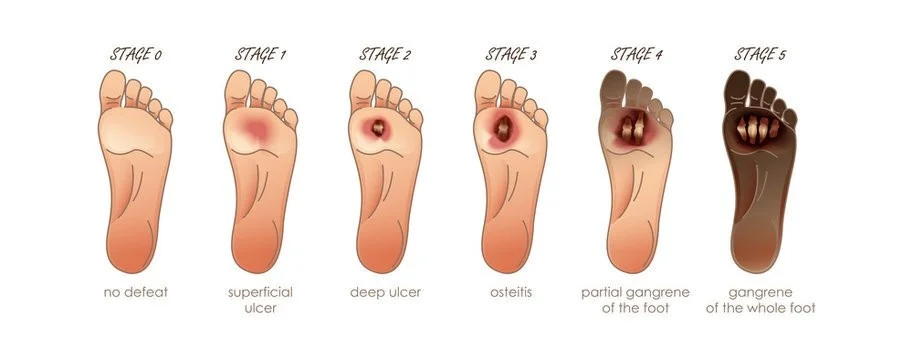
What Is Diabetic Foot?
A diabetic foot condition develops when persistently high blood sugar levels damage the nerves and restrict blood circulation to the lower extremities. Even a small cut, blister, or pressure sore can go unnoticed due to reduced sensation - and without timely care, these minor injuries can rapidly escalate into serious foot ulcers.
A diabetic foot ulcer is an open wound or sore that typically appears on the underside of the foot. Many patients are surprised to discover that ordinary, everyday injuries have worsened significantly without any pain or warning - a direct result of diabetic neuropathy.
Understanding Diabetic Foot Causes and Pathophysiology
Chronic elevation in blood glucose levels triggers progressive damage to both nerves and blood vessels throughout the body. Over time, this leads to two critical complications: neuropathy (loss of sensation) and peripheral arterial disease (reduced blood flow). Together, these conditions create the ideal environment for diabetic foot complications to develop and worsen rapidly.
Hyperglycemia Duration
Prolonged high blood sugar gradually destroys neural pathways, reducing the body's ability to detect injury.
Vascular Compromise
Poor blood circulation to the feet slows healing and increases infection risk significantly.
Neuropathic Development
Nerve damage causes sensory loss, meaning injuries occur and worsen without the patient feeling any pain.
Amputation Risk
Approximately 50% of untreated diabetic foot cases result in partial or full limb loss.
Early Intervention
Timely specialist care and orthopedic support are the most effective tools for preventing catastrophic outcomes.
Critical Risk Factors and Statistics
India carries one of the highest global burdens of diabetes, with approximately 74 million individuals currently living with the condition. Within this population, 25% will develop diabetic foot ulcers at some point, and nearly 60% will experience significant neuropathy affecting sensation in their feet.
- Indicator 01
Global Ranking
India holds the second-highest global ranking for diabetes prevalence, behind only China.
- Indicator 02
Southeast Asian Leader
India leads Southeast Asia in diabetic foot-related complications and amputation rates.
- Indicator 03
Amputation Frequency
An estimated 40,000 diabetes-related amputations are performed in India every year.
- Indicator 04
Neuropathy Impact
Nearly 60% of diabetic patients develop neuropathy, permanently affecting protective sensation in the feet.
- Indicator 05
IDF Data
The International Diabetes Federation confirms over 50 million people in India are significantly affected by diabetes-related complications.
How We Diagnose Diabetic Foot Complications
Accurate diagnosis is the foundation of effective treatment. At 14Steps Diabetic Foot Center, our specialists conduct a thorough evaluation covering your complete medical history, vascular health, and neurological status.
During your assessment, our wound care specialists examine the affected area in detail - identifying cuts, blisters, sores, or signs of infection - while also evaluating pulse strength and blood flow patterns to determine the extent of vascular involvement.
This comprehensive approach allows us to develop a precise, personalized treatment plan for every patient.
/what is diabetic foot screening and why does it matters.webp)
Advanced Treatment Options for Diabetic Foot Care
At 14Steps Diabetic Foot Center, we use cutting-edge, evidence-based treatment modalities tailored to the specific severity and nature of each patient's condition.

Strategic Off-Loading Therapy
01.Strategic Off-Loading Therapy
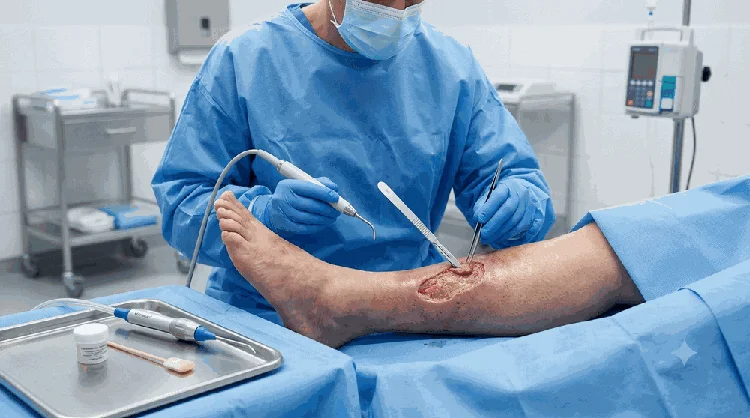
Advanced Debridement Techniques
02.Advanced Debridement Techniques
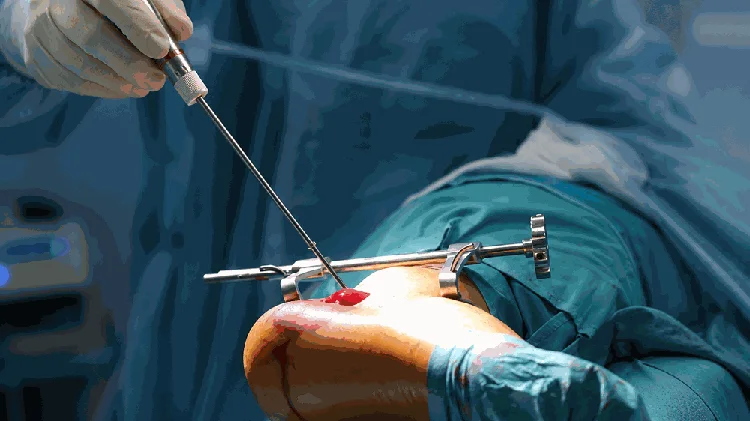
Minimally Invasive Vascular Surgery
03.Minimally Invasive Vascular Surgery
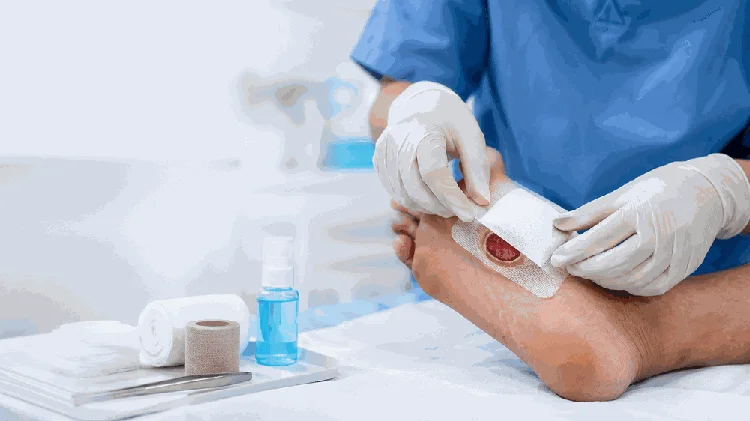
Optimized Wound Care and Dressing Protocols
04.Optimized Wound Care and Dressing Protocols
Comprehensive Post-Treatment Care and Long-Term Follow-Up
Successful diabetic foot management extends well beyond the initial procedure. At 14Steps, we believe that consistent follow-up and patient education are just as important as the treatment itself.
Structured Follow-Up Protocol
Vigilant Monitoring
Patient Education
Post-Surgical Rehabilitation
Long-Term Partnership
Find a 14Steps
Center Near You
We are expanding across India to bring expert diabetic foot care closer to you.
Mohali, Punjab
3rd Floor, SCO 12, Callidora Health, Phase 9, SAS Nagar, Mohali
Explore Mohali CenterAlso Coming Soon To
Frequently Asked Questions
Find answers to common questions about our specialized treatments, procedures, and patient care protocols. Need more information? Feel free to contact our medical team.
Take the First Step Toward Healthier Feet
Don't let diabetic foot complications hold you back. Whether you're dealing with a new wound or a long-standing ulcer, 14Steps Diabetic Foot Center is here to help. Find a location near you | Call us today